

Sudden temporary double vision, or diplopia, can be unsettling and often raises immediate concerns. It occurs when the eyes fail to work together properly, leading to a disorienting experience where objects appear duplicated. Understanding the causes behind this phenomenon is crucial for anyone who experiences it, as it can range from benign to more serious underlying conditions.
Several factors can trigger this sudden shift in vision. Stress, fatigue, and even certain medications may play a role. In some cases, it could signal a neurological issue or an eye-related problem that requires prompt attention. By exploring the various causes of temporary double vision, individuals can gain insight into their symptoms and determine when it’s time to seek medical advice.
Understanding Double Vision
Double vision, or diplopia, occurs when an individual sees two images of a single object. It arises from a misalignment of the eyes, where one or both eyes fail to work together effectively. This condition can manifest in various forms, including horizontal, vertical, or diagonal double vision. Understanding its causes aids in identifying when medical attention is necessary.
Common Causes
- Refractive Errors: Conditions like astigmatism or uncorrected vision issues can lead to double vision.
- Eye Muscle Problems: Conditions such as myasthenia gravis or thyroid eye disease weaken the eye muscles, causing misalignment.
- Neurological Disorders: Issues like multiple sclerosis or strokes can disrupt communication between the brain and the eyes, resulting in diplopia.
- Head Trauma: Injuries to the head can affect eye function, leading to temporary or lasting double vision.
- Medications: Some drugs may cause visual disturbances as a side effect.
Temporary Triggers
Understanding temporary triggers for double vision helps in addressing the symptoms quickly. Heavily tired eyes, alcohol consumption, and high-stress levels can contribute to this condition.
When to Seek Help
Individuals experiencing sudden double vision should seek medical attention immediately if it occurs alongside other symptoms, like headache, weakness, or confusion. Immediate evaluation may prevent further complications or identify serious underlying conditions.
Types of Double Vision

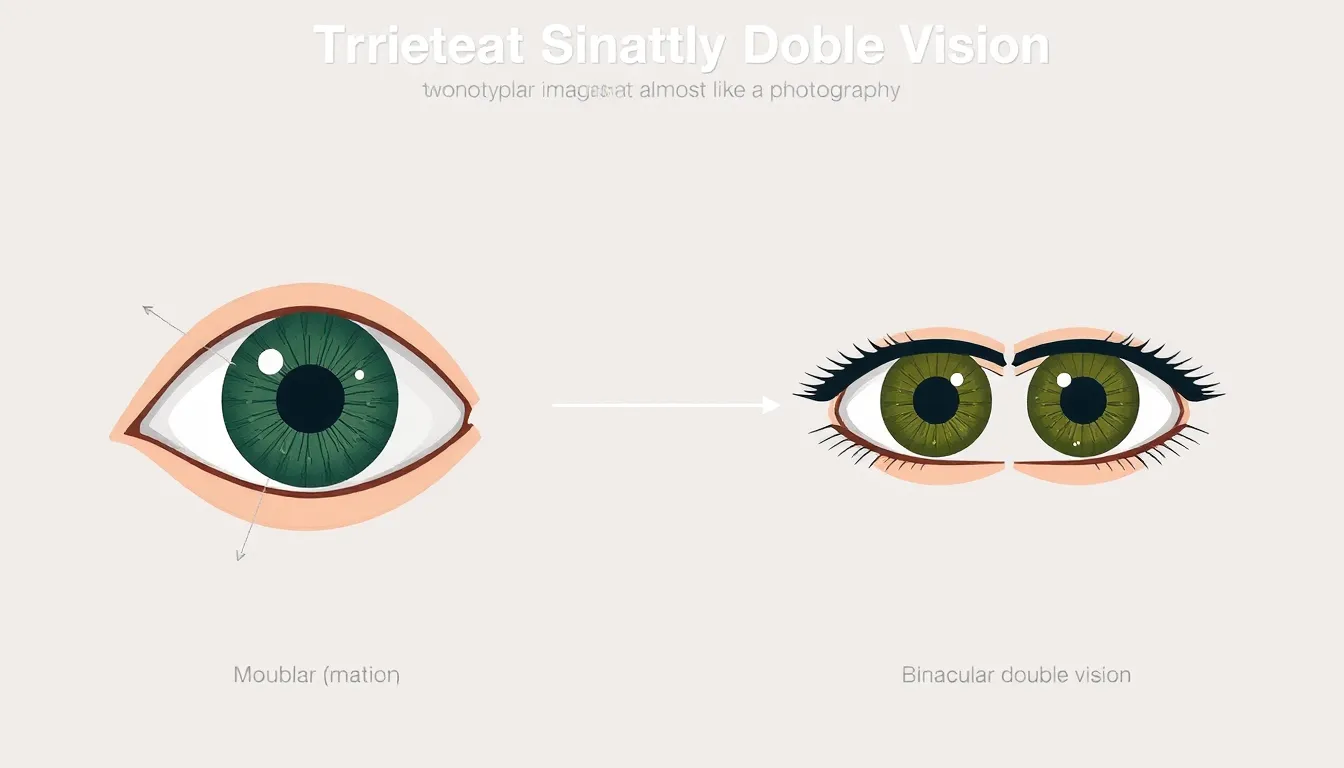
Double vision, or diplopia, can be categorized into two main types: monocular and binocular double vision. Understanding these types can aid in identifying the underlying causes and appropriate responses.
Monocular Double Vision
Monocular double vision occurs when both eyes are used, but only one eye experiences the double vision effect. Common causes include:
- Refractive Errors: Conditions like astigmatism can distort images.
- Cataracts: Clouding of the eye’s lens often leads to blurriness and double vision.
- Retinal Issues: Problems such as retinal detachment or macular degeneration can cause visual distortions.
Individuals experiencing monocular double vision may notice issues when closing one eye while the other eye remains open.
Binocular Double Vision
Binocular double vision transpires when both eyes are misaligned, leading to two images of the same object. Causes include:
- Strabismus: A condition where the eyes do not align properly.
- Neurological Disorders: Conditions like multiple sclerosis can affect eye muscle control.
- Myasthenia Gravis: This autoimmune disease affects communication between nerves and muscles, leading to muscle weakness and misalignment.
Binocular double vision typically resolves when one eye is covered. Timely evaluation is crucial if symptoms arise, as underlying issues might necessitate immediate treatment.
Common Causes of Sudden Temporary Double Vision
Sudden temporary double vision can arise from various health conditions. Understanding these causes is crucial for timely intervention.
Neurological Conditions
Neurological conditions often contribute to sudden temporary double vision. These may include:
- Multiple Sclerosis: This autoimmune disorder affects the nervous system, leading to vision disturbances, including diplopia.
- Stroke: A disruption in blood flow to the brain can result in miscommunication between the brain and eye muscles.
- Brain Tumors: Tumors can pressure areas of the brain responsible for vision, causing misalignment.
Recognizing symptoms alongside double vision, such as weakness or difficulty speaking, necessitates immediate medical evaluation.
Eye Conditions
Various eye conditions can lead to temporary double vision. These include:
- Strabismus: Misalignment of the eyes causes the brain to receive mismatched visual information.
- Cataracts: Clouding of the lens can distort images, resulting in double vision.
- Myasthenia Gravis: This neuromuscular disorder weakens eye muscles, leading to intermittent double vision.
Regular eye exams can help detect these conditions early and provide appropriate treatment.
Systemic Health Issues
Systemic health issues can also play a role in sudden temporary double vision. Common examples include:
- Diabetes: High blood sugar levels can damage blood vessels, affecting eye function and alignment.
- Thyroid Disorders: Conditions like Graves’ disease can lead to swelling of the eye muscles, resulting in diplopia.
- Hypertension: Elevated blood pressure can affect visual pathways, causing transient double vision.
Addressing these underlying conditions through medical consultation can mitigate or eliminate the occurrence of double vision.
Diagnosing the Cause of Double Vision
Diagnosing the cause of sudden temporary double vision involves a thorough assessment that includes reviewing medical history and conducting appropriate diagnostic tests. Understanding the patient’s symptoms and background can guide healthcare providers in identifying potential triggers.
Medical History and Symptoms
Gathering a comprehensive medical history is critical in diagnosing the cause of double vision. Healthcare providers typically ask about:
- Duration of Symptoms: Noting how long the double vision has occurred helps determine urgency and potential causes.
- Associated Symptoms: Identifying additional symptoms such as headaches, dizziness, or weakness assists in narrowing down possible neurological or systemic issues.
- Previous Eye Conditions: Documenting any history of eye disorders, previous surgeries, or existing vision problems can reveal correlations.
- Medications: Discussing current and past medications, including any recent changes, highlights potential drug-related causes.
- General Health: Reviewing overall health status, including chronic conditions like diabetes and hypertension, provides context for systemic influences.
Thoroughly addressing these factors allows healthcare providers to pinpoint potential causes and form a diagnostic strategy.
Diagnostic Tests
Diagnostic tests play an essential role in evaluating the cause of double vision. Common tests include:
- Visual Acuity Test: Assesses clarity of vision in each eye.
- Refraction Assessment: Determines the need for corrective lenses or identifies refractive errors.
- Ocular Motility Exam: Evaluates eye movements to identify misalignment or muscle control issues.
- Neurological Testing: Includes imaging studies like MRI or CT scans to assess the brain for tumors, strokes, or lesions affecting eye muscle control.
- Blood Tests: Tests for diabetes, thyroid function, or autoimmune disorders can reveal systemic causes.
The combination of a detailed medical history and targeted diagnostic tests leads to effective identification and management of the underlying causes of double vision.
Treatment Options
Various treatment options are available for addressing sudden temporary double vision. These options focus on managing symptoms and correcting any underlying causes to ensure effective relief.
Addressing Underlying Causes
Identifying and treating underlying causes of double vision is essential. He or she might require:
- Neurological Evaluation: Health care providers often recommend imaging tests like MRI or CT scans to detect neurological disorders.
- Medication Adjustment: They may adjust dosages or switch medications if current prescriptions contribute to the symptom.
- Surgical Intervention: In cases of strabismus, surgery may align the eye muscles to improve coordination and eliminate double vision.
- Diabetes Management: When diabetes-related issues affect vision, controlling blood sugar levels can alleviate symptoms.
- Thyroid Treatment: Treatment plans for thyroid disorders might include medications or surgery to stabilize hormone levels and improve vision.
Symptom Management
Managing symptoms of double vision can provide immediate relief. Strategies include:
- Covering One Eye: Covering the affected eye often alleviates binocular double vision, allowing clearer vision.
- Vision Therapy: Eye muscle exercises may strengthen coordination and improve overall function.
- Prism Glasses: These specialized lenses correct the alignment of images seen by each eye, aiding in clearer single vision.
- Rest and Relaxation: Taking breaks and reducing eye strain can minimize temporary episodes associated with fatigue or stress.
- Hydration and Nutrition: Maintaining proper hydration and nutrition supports overall eye health, which can mitigate symptoms.
Prompt identification and treatment of sudden temporary double vision may lead to effective management and improved quality of life.
Sudden temporary double vision can be a distressing experience that highlights the importance of understanding its various causes. Recognizing the triggers and accompanying symptoms is essential for determining when to seek medical help. With potential underlying conditions ranging from stress and fatigue to more serious neurological issues, prompt evaluation is crucial for effective management.
By staying informed and proactive about eye health individuals can take the necessary steps to address double vision and improve their overall well-being. Regular check-ups and awareness of any changes in vision can lead to timely interventions and better outcomes.