

In recent years, the fluctuation of the dollar exchange rate in Guatemala has captured the attention of economists, businesses, and everyday citizens alike. As the U.S. dollar remains a dominant currency in international trade, its value against the Guatemalan quetzal directly impacts the nation’s economy. Understanding these changes is crucial for anyone navigating the financial landscape, whether for personal budgeting or business planning.
The dynamics of the dollar exchange rate reflect broader economic trends, including inflation, trade balances, and geopolitical events. As Guatemala continues to develop its economy, keeping a close eye on these shifts can provide valuable insights into future opportunities and challenges. This article delves into the factors influencing the dollar’s value in Guatemala and explores what these changes mean for the average citizen and the country’s economic health.
Overview of El Cambio Del Dolar En Guatemala
El cambio del dólar en Guatemala directly affects its economy and citizens. Fluctuations in the exchange rate result from various factors, including inflation rates and the balance of trade. As the U.S. dollar strengthens or weakens against the quetzal, local purchasing power changes accordingly.
Recent data indicates that the exchange rate averages between 7.5 and 8 quetzals per dollar. Such shifts can impact import prices, which depend heavily on the dollar, as well as the cost of living. Businesses that rely on imported goods may face increased expenses, influencing prices for consumers.
Geopolitical events also play a role in exchange rate changes. International trade agreements or conflicts can lead to volatility, affecting the dollar’s value relative to the quetzal. This volatility necessitates vigilance from both businesses and individuals to anticipate the impact on financial planning and budgets.
Understanding the dollar’s fluctuations aids in better decision-making regarding investments and savings. Knowledge of economic trends can help mitigate risks associated with currency changes in Guatemala.
Historical Context
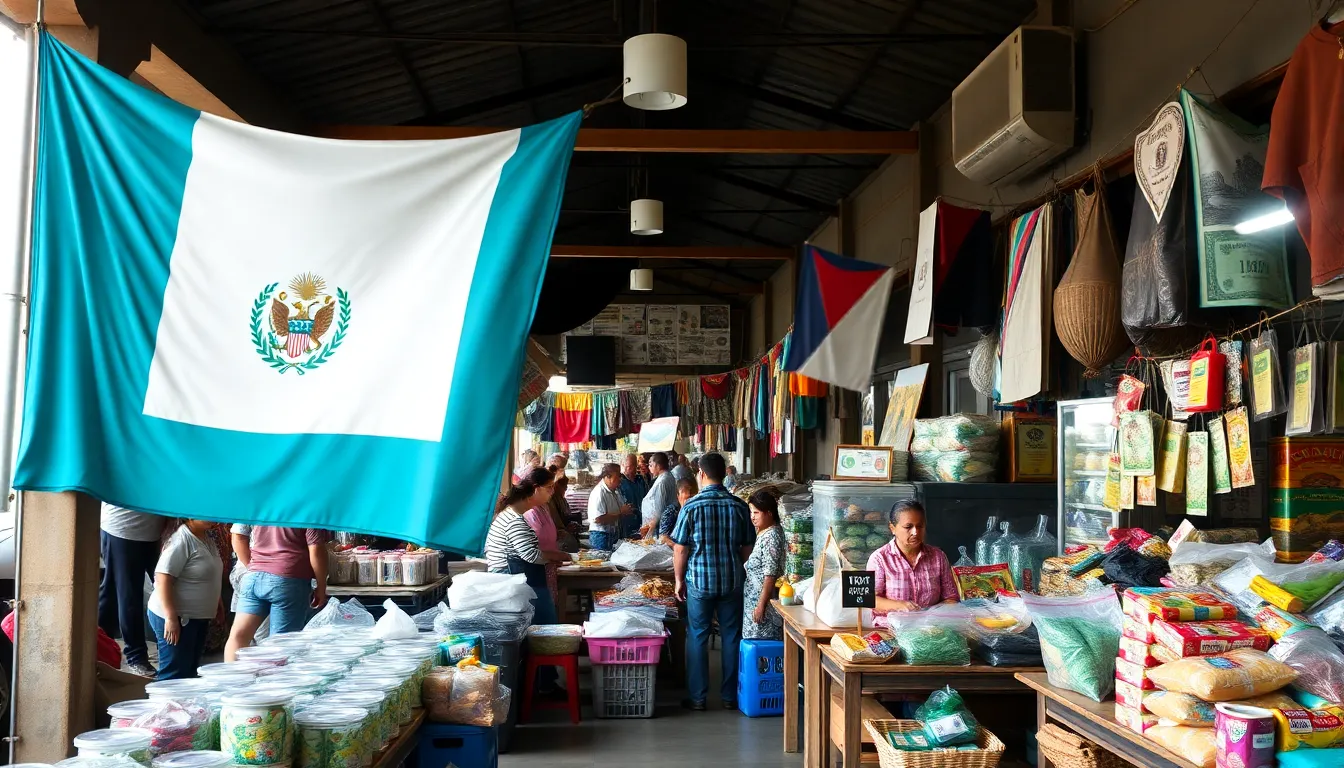
Understanding the historical context of the dollar’s fluctuations in Guatemala highlights the longstanding economic and political dynamics at play. The interplay of various factors shapes these changes, influencing both local and international perceptions of the Guatemalan economy.
Economic Factors Influencing Dollar Changes
Economic trends significantly impact the dollar’s value against the quetzal. Key contributors include:
- Inflation Rates: High inflation can devalue the quetzal, prompting a higher exchange rate as the dollar becomes more attractive for savings and investments.
- Trade Balances: A trade deficit, where imports exceed exports, often leads to a weaker currency. Guatemala’s reliance on imports makes it vulnerable to shifts in exchange rates.
- Remittances: Approximately $15 billion in annual remittances from Guatemalans abroad bolster the dollar’s presence in the economy, directly affecting its demand and stability.
- Interest Rates: Higher interest rates in the U.S. may lead to capital inflows, strengthening the dollar while weakening the quetzal.
Understanding these economic factors provides context for the fluctuations in the dollar exchange rate over time.
Political Events Impacting Currency Exchange
Political stability and policy decisions play a crucial role in determining exchange rates. Notable influences include:
- Government Policies: Fiscal and monetary policies can either stabilize or destabilize the currency. Strong, transparent policies tend to attract foreign investment, strengthening the quetzal.
- Elections and Government Changes: Political transitions can create uncertainty, leading to fluctuations in currency valuation as investors reassess risk.
- International Relations: Diplomatic ties and trade agreements affect economic forecasts, influencing how external markets view the Guatemalan currency.
- Corruption and Stability: High levels of corruption can deter foreign investment, leading to a weaker quetzal against the dollar.
These political events underscore the necessity of monitoring both economic indicators and government actions when evaluating currency trends in Guatemala.
Current Exchange Rates
The exchange rate of the dollar against the Guatemalan quetzal continues to fluctuate daily. Monitoring these changes allows individuals and businesses to adapt their financial strategies effectively.
Daily Fluctuations and Trends
Daily exchange rate fluctuations typically range between 0.1 and 0.5 quetzals per dollar, influenced by global market conditions and domestic economic indicators. For instance, economic reports released throughout the week may signal shifts in investor confidence. Additionally, fluctuations can reflect adjustments in demand for dollars due to changing import-export dynamics, with local businesses adjusting to price variations almost in real-time.
Comparison with Previous Years
Comparing current exchange rates with those from previous years reveals significant trends. In 2020, the average exchange rate was approximately 7.7 quetzals per dollar, showing a gradual increase to the current range of 7.5 to 8 quetzals. This consistent rise indicates a depreciation of the quetzal influenced by external economic pressures and domestic inflation levels. Historical data shows that monitoring this trend is essential for understanding future currency movements and making informed investment decisions.
Effects on Local Economy
Fluctuations in the dollar exchange rate significantly impact Guatemala’s local economy, affecting both businesses and consumers. Understanding these effects is essential for navigating the financial landscape.
Impact on Businesses
Businesses in Guatemala face direct consequences from dollar exchange rate fluctuations. Increased import costs occur as the quetzal weakens, making foreign goods more expensive. Companies that rely on imported materials or products experience tighter profit margins and may need to raise prices, leading to reduced consumer demand. Exporters benefit from a weaker quetzal, as their goods become more competitive in foreign markets. However, volatility can create uncertainty, complicating financial planning and investment decisions for companies. Regular assessments of exchange rates allow businesses to adjust pricing strategies and mitigate risks effectively.
Influence on Consumers
Consumers in Guatemala experience the effects of dollar fluctuations through rising prices on imported goods. Increased costs emerge as retailers pass on higher expenses to customers, impacting everyday items such as food, electronics, and clothing. Household budgets tighten as inflation accelerates, forcing adjustments in spending patterns. Additionally, remittances sent from abroad, often in dollars, gain value when exchanged for quetzals, benefiting families reliant on these funds. Understanding exchange rate trends helps consumers make informed decisions regarding savings and purchases, allowing them to navigate the challenges posed by a fluctuating currency environment.
Future Projections
Future projections regarding the dollar exchange rate in Guatemala hinge on various economic indicators and expert analyses. These projections consider inflation trends, trade balances, and global market dynamics.
Expert Opinions
Economists express varied opinions on how political stability and policy decisions will impact the dollar’s value. Analysts predict that sustained inflation could lead to a weaker quetzal, increasing the exchange rate beyond the current range of 7.5 to 8 quetzals per dollar. Furthermore, industry experts note that potential foreign investments may stabilize the exchange rate if a favorable business climate is fostered. Continuous monitoring of global economic conditions, such as U.S. monetary policy, remains crucial for understanding future currency behavior.
Potential Economic Scenarios
Multiple economic scenarios may unfold based on domestic and international factors.
- Stable Scenario: If inflation remains controlled, the exchange rate might stabilize around current values, with fluctuations remaining minor.
- Devaluation Scenario: If domestic pressures rise, including political instability or rampant inflation rates, the quetzal might depreciate significantly. Exchange rates could surpass 8 quetzals per dollar, impacting consumers and businesses alike.
- Appreciation Scenario: Potential improvements in trade balances or increased remittances may enhance the quetzal’s value. In this situation, the dollar could drop below the 7.5 quetzal mark, easing economic burdens on consumers.
Considering these projections helps stakeholders prepare for varying outcomes in Guatemala’s economic landscape.
The fluctuations of the dollar in Guatemala present both challenges and opportunities for its economy. As the value of the quetzal continues to shift against the dollar, understanding these trends becomes essential for individuals and businesses alike.
Monitoring the interplay of economic indicators and political developments will be key to navigating this complex landscape. By staying informed, stakeholders can make strategic decisions that mitigate risks and capitalize on potential benefits.
Ultimately, a proactive approach to financial planning will empower citizens and businesses to adapt to the ever-changing currency dynamics in Guatemala.