

Tired of that wallpaper that’s been staring back at you like an awkward family photo? It’s time for a change! Whether it’s a blurry vacation pic or a design that seemed cool at the time, deleting a wallpaper on your iPhone is easier than finding a good Wi-Fi signal.
How Do I Delete a Wallpaper on My iPhone
Deleting a wallpaper on an iPhone involves a few straightforward steps. First, access the Settings app on the iPhone’s home screen. Next, scroll down and tap on Wallpaper. Users can view their current wallpaper settings in this section.
To change or delete a wallpaper, they should select the “Choose a New Wallpaper” option. This opens the wallpaper gallery. Users can see various categories like Dynamic, Stills, and Live. After selecting a category, they can browse through the wallpaper images available.
Deleting a wallpaper doesn’t require a deletion option, since users can simply choose a new one. Selecting a different wallpaper automatically replaces the existing one. To finalize the change, tapping “Set” allows users to choose whether to apply the new wallpaper to the Lock Screen, Home Screen, or both.
If someone wants to remove the current wallpaper without replacing it, they can set a plain background instead. To do this, they can select a solid color from the “Stills” category or upload a custom image without personal relevance.
In cases where a user has saved wallpapers in the Photos app, it is not necessary to delete them there to change the wallpaper. Instead, users can manage photos separately while keeping their wallpaper options flexible. This ability to effortlessly manage wallpaper settings enhances the overall customization of the iPhone experience, keeping it fresh and inviting.
Understanding iPhone Wallpapers
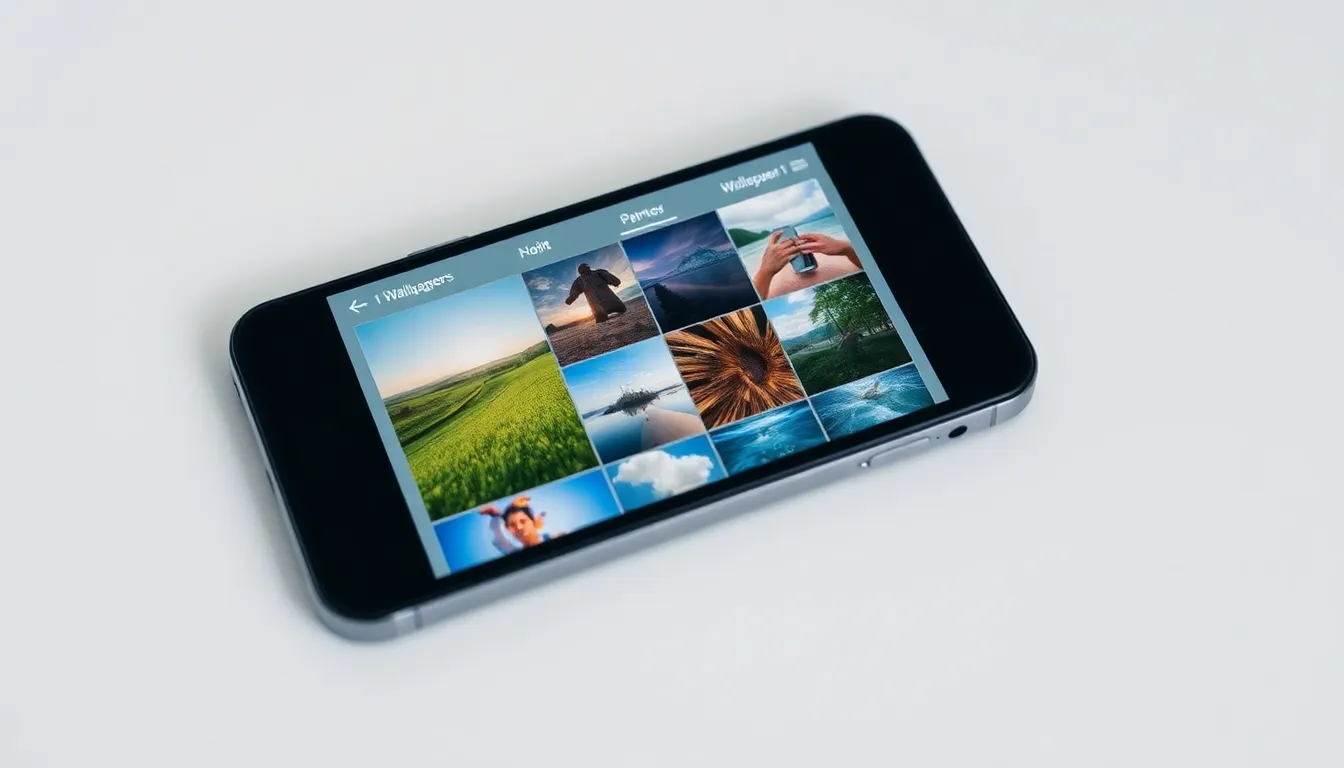
iPhone wallpapers personalize the device and set the mood for the user experience. Users can choose from a variety of options to suit their style and preferences.
Types of Wallpapers
Dynamic wallpapers offer motion, while Still wallpapers provide static images. Live wallpapers animate when users press and hold the display. Users can also select custom images from their personal photo library, allowing for a unique touch.
Importance of Wallpaper Management
Effective wallpaper management enhances the user experience. Users can easily switch between images to maintain freshness and avoid visual fatigue. Removing outdated wallpapers prevents clutter in the Photos app, making it easier to find preferred options. Well-organized wallpaper selections lead to greater personalization and satisfaction.
Steps to Delete a Wallpaper
Deleting a wallpaper on an iPhone is straightforward and can be done through two primary methods: the Settings app or the Photos app.
Deleting from Settings
Access the Settings app on the iPhone. Navigate to Wallpaper to find the current wallpaper settings. Select the option for “Choose a New Wallpaper” to view available wallpapers. To delete the existing wallpaper, a user can set a solid color as the new background or select a different image from the provided options. This approach allows for changing wallpapers easily without cluttering the device with unwanted images. Users should note that this method does not remove images from the Photos app but simply replaces the wallpaper displayed on the home and lock screens.
Removing from Photos
Open the Photos app to manage saved wallpapers directly. Users can locate the images previously used as wallpapers by searching albums or recent photos. When the desired wallpaper is found, a user can select the image and access the options menu. Tap the trash icon to delete the image from the device. This action permanently removes the photo, aiding in efficient photo management and maintaining a clutter-free gallery. Removing outdated wallpapers enhances personalization and ensures better access to currently preferred images for future use.
Tips for Choosing New Wallpapers
Selecting a new wallpaper can elevate the entire iPhone experience. Consider choosing images that reflect personal style and identity. Vibrant colors can create visual appeal, while neutral tones offer a calming effect.
Explore categories like Dynamic, Still, and Live for diverse options. Dynamic wallpapers provide motion, keeping the screen lively, while Still wallpapers present striking visuals. Live wallpapers add a unique touch by animating when pressed.
Utilizing personal photos can reinforce individuality. Images from travels, special events, or loved ones can evoke fond memories. Ensure that chosen pictures are high resolution for optimal clarity.
Assess the mood intended to set with the wallpaper. Bold designs can exude energy, while softer images may create a serene atmosphere. Match the wallpaper to the time of day or season for an extra layer of relevance.
Experimenting with wallpapers regularly prevents visual fatigue. Switching wallpapers frequently maintains engagement and excitement with the device. Take advantage of the iPhone’s customization features to curate a gallery of favorites.
Emphasize practicality when selecting wallpapers. Avoid overcrowded or busy images that can distract from app icons and widgets. Opt for designs that complement the iPhone’s overall aesthetic for a seamless look.
Finally, explore wallpaper apps for additional inspiration. Many apps offer curated collections, making it easier to find new favorites. Staying informed about trendy designs can result in a fresh, appealing home screen.
Deleting a wallpaper on an iPhone is a straightforward task that can significantly enhance the device’s personalization. By following the simple steps outlined in the article, users can effortlessly refresh their screens with new images or solid colors. This process not only helps in maintaining a clutter-free gallery but also allows for a more tailored user experience.
Whether opting for dynamic, still, or live wallpapers, the choice reflects individual style and mood. Regularly updating wallpapers can prevent visual fatigue and keep the device feeling fresh and inviting. With a little creativity and exploration, anyone can transform their iPhone into a reflection of their personality.