
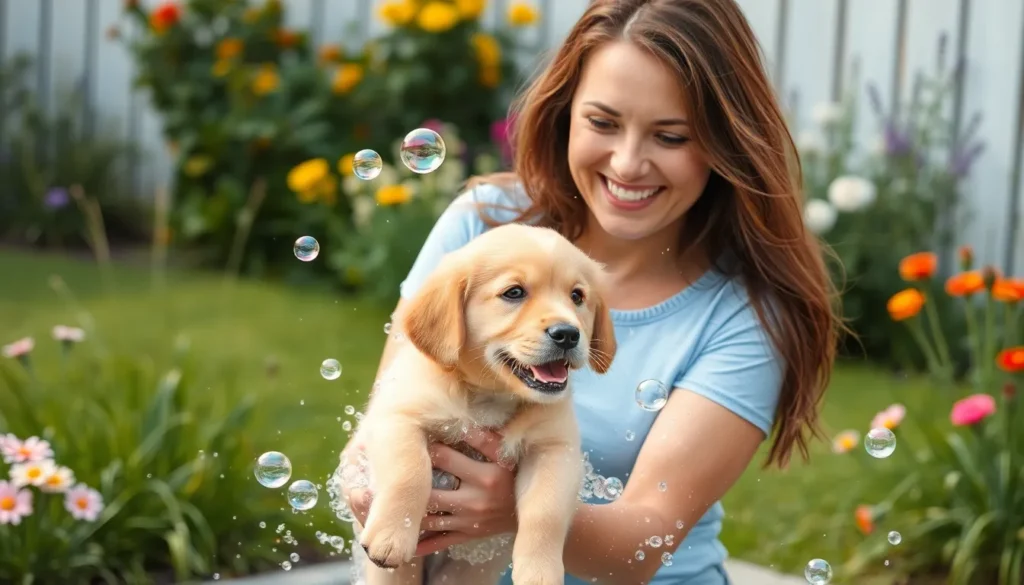
When it comes to keeping a dog clean and healthy, one question often arises: how often should you bathe your furry friend? Many pet owners want to ensure their dogs smell fresh and feel comfortable, but the answer isn’t one-size-fits-all. Factors like breed, coat type, and lifestyle play a significant role in determining the ideal bathing frequency.
Regular grooming is just as important as bathing, and understanding your dog’s specific needs can help maintain their coat and skin health. Some breeds thrive on infrequent baths, while others may require more regular washing. This article will explore the best practices for bathing dogs, helping owners find the right balance for their beloved pets.
Importance Of Bathing Your Dog
Bathing a dog maintains skin and coat health. Regular baths remove dirt, allergens, and loose fur, which can lead to skin irritation if left unattended. Dirt and grime buildup can cause infections, so a clean coat promotes physical comfort and overall well-being.
Bathing also reduces odor. Dogs often accumulate smells from their environment, food, or skin oils. Regular hygiene routines keep dogs smelling fresh, which enhances the bond between pet and owner.
Additionally, bathing provides an opportunity for inspection. During baths, owners can check for skin issues, parasites, or abnormalities that may require veterinary attention. Regular checks can catch problems early, improving outcomes.
Overall, establishing a routine for bathing complements grooming practices. Grooming helps keep the coat mat-free while bathing supports skin health. Together, these practices lead to a happier and healthier dog.
Factors That Influence Bathing Frequency
Bathing frequency varies greatly based on specific factors related to a dog’s breed, coat type, and lifestyle. Understanding these elements helps pet owners establish an effective bathing routine.
Dog Breed Considerations
Dog breeds significantly influence how often bathing occurs. Breeds with oily coats, such as Basset Hounds and Bloodhounds, may require more frequent bathing to manage skin oiliness. In contrast, breeds like the Chow Chow and Akita often require less frequent baths due to their lower oil production. Hypoallergenic breeds, such as Poodles or Maltese, might also need regular bathing to reduce dander and allergens, promoting a cleaner environment.
Coat Type and Condition
Coat type affects the bathing schedule for dogs. Long-haired breeds, such as the Afghan Hound or Yorkshire Terrier, may require more frequent baths to prevent matting and tangles. Short-haired breeds, like Beagles or Boxers, typically need fewer baths. Additionally, dogs with special coat conditions—like those with skin allergies or sensitivities—may necessitate more regular bathing, tailored to their individual needs and suggested by a veterinarian.
Lifestyle and Activity Level
A dog’s lifestyle and activity level play crucial roles in determining bathing frequency. Active dogs, especially those that partake in outdoor activities, may accumulate dirt and odors more quickly, necessitating more frequent baths. Dogs that spend time in water, like Labradors or Golden Retrievers, may need baths after swimming sessions to remove chlorine or salt residues. Conversely, indoor dogs with limited outdoor exposure may require fewer baths, maintaining freshness with regular grooming instead.
Recommended Bathing Schedule
Bathing frequency varies based on several factors, including the dog’s age and any existing skin conditions. Understanding these aspects helps ensure optimal skin and coat health.
Puppies vs. Adult Dogs
Puppies generally require baths less frequently than adult dogs. Bathing a puppy every 3 to 4 weeks suffices unless they become particularly dirty. Puppies’ skin is sensitive, and excessive bathing can disrupt natural oils. Adult dogs, however, typically benefit from monthly baths, adjusting based on coat type and activity level. Active dogs or those exposed to dirt and allergens may need a bath every 2 to 3 weeks.
Dogs with Skin Conditions
Dogs with skin conditions, such as allergies or dermatitis, often necessitate a tailored bathing schedule. Depending on veterinary advice, these dogs may require baths weekly or bi-weekly using medicated shampoos to manage irritation or infection. Keeping the skin clean alleviates symptoms and aids in recovery. Regular baths also provide owners with a chance to monitor any changes in their dog’s skin condition.
Bathing Techniques and Tips
Bathing a dog requires specific techniques and tools to make the experience pleasant for both the dog and the owner. Proper preparation enhances results while promoting the dog’s comfort during bath time.
Choosing The Right Shampoo
Selecting an appropriate shampoo is crucial for maintaining a dog’s skin and coat health. Opt for a shampoo formulated specifically for dogs to avoid skin irritation from human shampoos. Consider the following factors:
- Skin Type: Use hypoallergenic shampoos for dogs with sensitive skin to prevent allergic reactions. Shampoos with moisturizers can help dry skin.
- Coat Type: Pick a shampoo designed for your dog’s specific coat type. For instance, shampoos for long-haired dogs often include detangling agents, while those for short-haired dogs focus on shine.
- Medicated Options: Choose medicated shampoos if your dog has skin issues, as these can treat conditions like allergies, infections, or parasites. Follow a veterinarian’s advice for best results.
Tools You Will Need
Having the right tools ensures a smooth bathing process. Essential items for dog bathing include:
- Non-Slip Mat: Place a mat in the tub or on the floor to help the dog feel secure and prevent slipping.
- Showerhead or Hose: Utilize a showerhead or a hose attachment with a gentle spray for easy rinsing, ensuring proper water control.
- Dog Brush: Use a brush to remove loose fur and tangles before bathing. This step simplifies the bathing process and improves overall cleanliness.
- Towels: Keep several absorbent towels handy for drying the dog after the bath, some dogs might prefer a warm towel wrap.
- Treats: Offer treats during and after the bath for positive reinforcement, helping to create a stress-free bathing experience.
Implementing these techniques and tools leads to effective and enjoyable bathing sessions, promoting a dog’s health and well-being.
Finding the right bathing routine for a dog is essential for their overall health and well-being. Each dog has unique needs based on breed, coat type, and lifestyle. By understanding these factors and implementing a consistent bathing schedule owners can ensure their pets stay clean and comfortable.
Regular bathing not only helps maintain a fresh scent but also allows for important health checks. With the right tools and techniques bathing can become a positive experience for both the dog and the owner. Ultimately a tailored approach to grooming and bathing will lead to a happier and healthier furry companion.