
Furniture isn’t just about function; it’s the heartbeat of a home. As trends evolve, so do the ways people express their style through their living spaces. From bold colors to sustainable materials, the latest furniture trends are all about making a statement without shouting.
Latest Furniture Trends for 2023
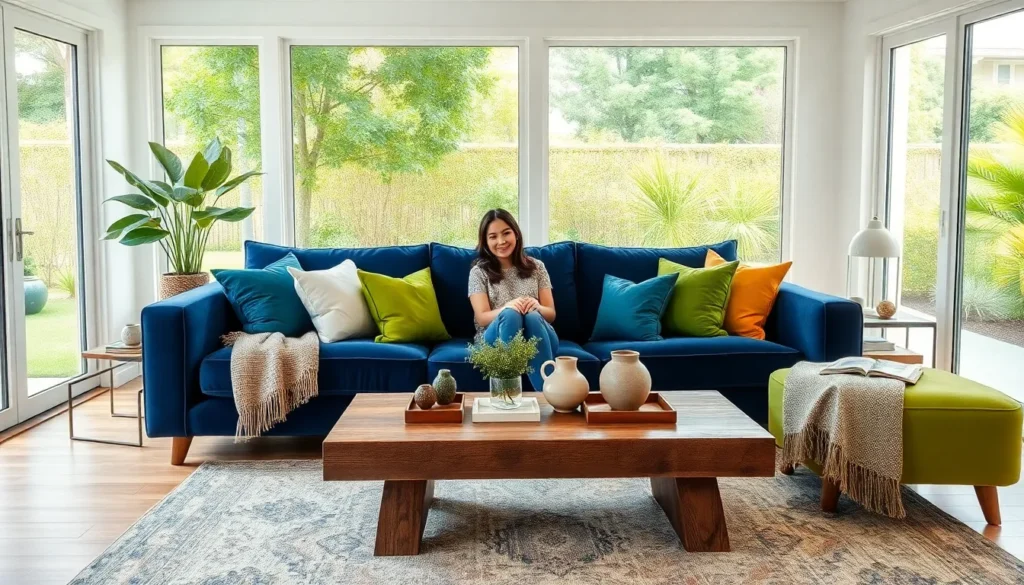
Bold colors dominate the furniture scene in 2023, with deep blues, vibrant greens, and rich reds taking the forefront. Sustainability shapes choices as consumers lean toward eco-friendly materials like bamboo, reclaimed wood, and recycled metals. Multifunctional furniture remains essential for maximizing space in smaller homes. Modular designs enhance flexibility, allowing easy reconfiguration to suit various needs and occasions.
Natural textures gain traction, appealing to those who admire organic aesthetics. Textured fabrics like boucle and velvet add visual interest and tactile comfort. Vintage-inspired pieces experience a resurgence, offering charm and character in contemporary settings. Curved furniture elements soften spaces, introducing a sense of warmth and relaxation.
Outdoor furniture transitions indoors, blurring the lines between exterior and interior living. This trend embraces materials designed for durability while providing comfort and style. Minimalism remains relevant, emphasizing clean lines and uncluttered spaces to create calming environments.
Smart furniture integrates technology for convenience and functionality. Features like built-in charging ports and adjustable ergonomics cater to the modern lifestyle. Lastly, personalization in furniture pieces allows individuals to express uniqueness. Customizable options such as color, size, and fabric choices enable tailored solutions that reflect personal taste.
Sustainable Materials
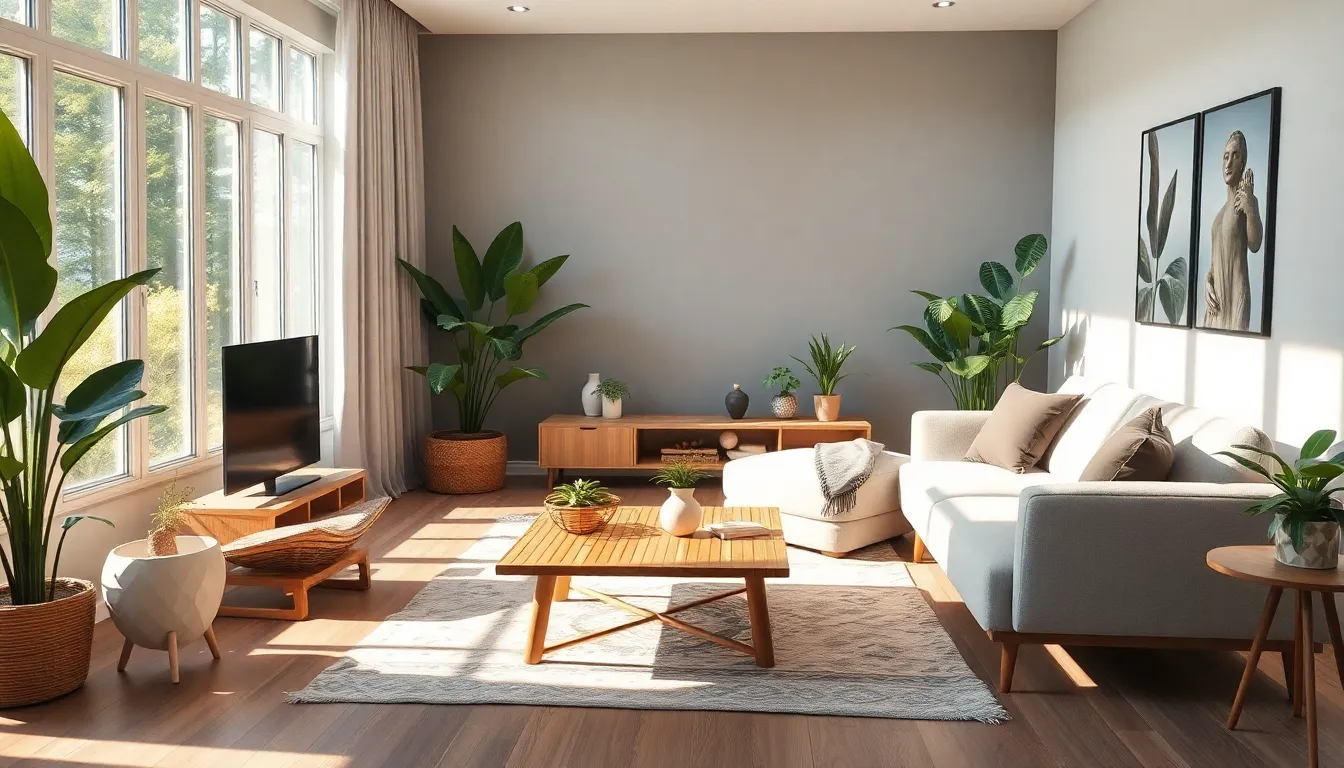
Sustainable materials play a crucial role in contemporary furniture trends. These eco-conscious choices not only minimize environmental impact but also enhance aesthetic appeal.
Eco-Friendly Choices
Natural fibers and organic materials attract attention due to their minimal environmental footprint. Hemp, cork, and organic cotton serve as popular alternatives while avoiding harmful chemicals. Manufacturers increasingly prioritize sustainably sourced wood, reducing deforestation and promoting responsible forestry. Bamboo, known for rapid growth, provides a durable and renewable option. Designers embrace these materials to create stylish pieces without sacrificing ecological responsibility. By selecting eco-friendly furniture, consumers support a healthier planet and express personal style in their homes.
Recycled Components
Recycled components gain traction in furniture production, reflecting a commitment to sustainability. Furniture manufacturers frequently utilize glass, metal, and plastic reclaimed from previous products. These materials undergo careful processing to ensure quality and durability. Reclaimed wood, sourced from old structures, showcases unique character while reducing landfill waste. Using such materials contributes to a circular economy, promoting resource conservation. By incorporating recycled components, designers create innovative solutions that meet aesthetic demands while supporting environmental goals.
Minimalist Designs
Minimalism remains a strong influence in contemporary furniture trends, emphasizing simplicity and functionality. Clean lines and uncluttered spaces characterize minimalist design principles, enhancing aesthetic appeal without overwhelming a room.
Clean Lines and Simple Shapes
Clean lines dominate modern furniture, promoting a sense of order. Simple shapes such as rectangles and circles create a calming visual effect. Furniture pieces often feature sharp edges, which add definition to spaces. Neutral colors like white, gray, and beige frequently enhance these designs, maintaining an airy atmosphere. Minimalist furniture typically avoids unnecessary ornamentation, letting the materials shine. For example, a sleek dining table made from reclaimed wood showcases texture without distraction.
Multi-Functional Furniture
Multi-functional furniture stands out in minimalist designs, addressing space constraints in urban living. Pieces like sofa beds or extendable dining tables serve dual purposes, maximizing usability. Such furniture often incorporates hidden storage, providing practical solutions while maintaining a clean aesthetic. Modular pieces allow flexibility in arranging spaces, adapting easily to various layouts. Designers prioritize versatility, creating stunning yet functional items that fit seamlessly into modern lifestyles. This approach aligns with minimalism’s core principle of simplification, enhancing both form and function.
Bold Colors and Patterns
Bold colors and patterns are taking center stage in furniture design for 2023. Expect to see deep blues, vibrant greens, and rich reds as they dominate living spaces.
Vibrant Accents
Vibrant accents inject life into interiors. Brightly colored chairs, cushions, and rugs transform a space. Designers encourage mixing and matching hues, creating stunning focal points. A bold red armchair can juxtapose neutral surroundings, making the room pop. Accessories like artwork or decorative pillows add depth and contrast while showcasing personal style. Layers of patterns, such as geometric prints paired with florals, enhance visual interest, ensuring versatility in design. Opting for vibrant accents allows individuals to express their uniqueness in a contemporary setting.
Maximalism in Furniture
Maximalism embraces creativity through abundant colors and diverse patterns. This trend encourages eclectic combinations of styles, providing freedom in design choices. Statement pieces, such as patterned sofas or intricately designed coffee tables, become conversation starters. Mixing textures like velvet, leather, and woven fabrics introduces richness to spaces. Incorporating various decorative elements, including eclectic art and sculptural items, enhances character. Maximalism thrives on personal expression, allowing individuals to curate spaces reflective of their tastes while resisting minimalism’s constraints. Celebrating individuality in design, maximalism invites bold explorations in furniture trends.
Tech-Integrated Pieces
Tech integration in furniture has transformed how individuals experience their living spaces. This trend combines functional design with advanced technology, making homes more comfortable and convenient.
Smart Furniture Solutions
Smart furniture solutions enhance everyday living by incorporating technology directly into pieces. Sofa beds with built-in charging ports or coffee tables featuring wireless charging capabilities exemplify this trend. Another notable example includes adjustable standing desks that adapt to users’ preferences, promoting healthier work habits. Many modern furniture designs now also feature integrated smart home systems, allowing control over lighting and temperature with a touch or a voice command. These innovations provide seamless connectivity and simplify daily activities, creating a more efficient environment.
Innovative Storage Options
Innovative storage options address the challenge of maximizing space in homes. Furniture pieces like ottomans and beds with hidden compartments allow for discrete storage of items without compromising style. Wall-mounted shelves that double as decorative elements create both functionality and visual appeal. Multifunctional furniture, such as desks with built-in bookcases or benches featuring under-seat storage, provides practical solutions for smaller spaces. These designs encourage organization while maintaining aesthetic value, ensuring homes remain tidy and inviting.
The latest furniture trends reflect a dynamic blend of style and functionality. As individuals seek to personalize their spaces, bold colors and sustainable materials take center stage. The rise of multifunctional and modular designs caters to modern living, especially in smaller homes. Curved elements and vintage inspirations add warmth and character, while the integration of technology enhances everyday convenience.
These trends not only elevate aesthetics but also promote eco-conscious choices, allowing consumers to support sustainability without sacrificing style. With a focus on individuality and creativity, the current furniture landscape invites everyone to explore and express their unique tastes in home design.