

Imagine you’re ready to capture that perfect moment—a hilarious joke, a heartfelt message, or the sound of your dog barking at a squirrel. You whip out your iPhone, only to discover that audio recording seems to have taken a vacation. It’s a mystery that has left many scratching their heads and wondering if Apple’s engineers are just playing an elaborate prank.
While it might feel like a cruel twist of fate, the reasons behind the absence of audio recording features on certain iPhone models are more complex than a cat video going viral. From software limitations to privacy concerns, the landscape is filled with twists and turns. Let’s dive into the quirky world of audio recording on iPhones and uncover why your phone might be more of a silent film star than a recording artist.
Overview of Audio Recording on iPhone
Audio recording capabilities play a vital role in capturing experiences on iPhones. Users often express disappointment when discovering that certain models lack these features. Technical limitations arise from software design choices and hardware configurations. Not all iPhone versions include the same audio processing technologies.
Privacy concerns impact audio recording functionality, preventing unauthorized interception of conversations. Apple prioritizes user consent when designing audio features, contributing to variability across models. Models like the iPhone 7 and later commonly support robust audio recording. Older versions, however, may not include dedicated audio recording apps or functionalities.
Device settings can also limit access to audio recording features, creating confusion. Sound recording applications must be permitted access to the microphone for optimal operation. Background app refresh settings and storage capacities affect the overall audio recording performance. Insufficient storage can hinder effective recording capabilities on any iPhone model.
Updated software versions may improve audio functionalities, ensuring compatibility with new apps and formats. Users should regularly install updates to benefit from enhancements. Apple’s commitment to user security often results in complex setups for audio features. The interplay of technology and user privacy remains significant in the audio recording landscape on iPhones.
Technical Limitations
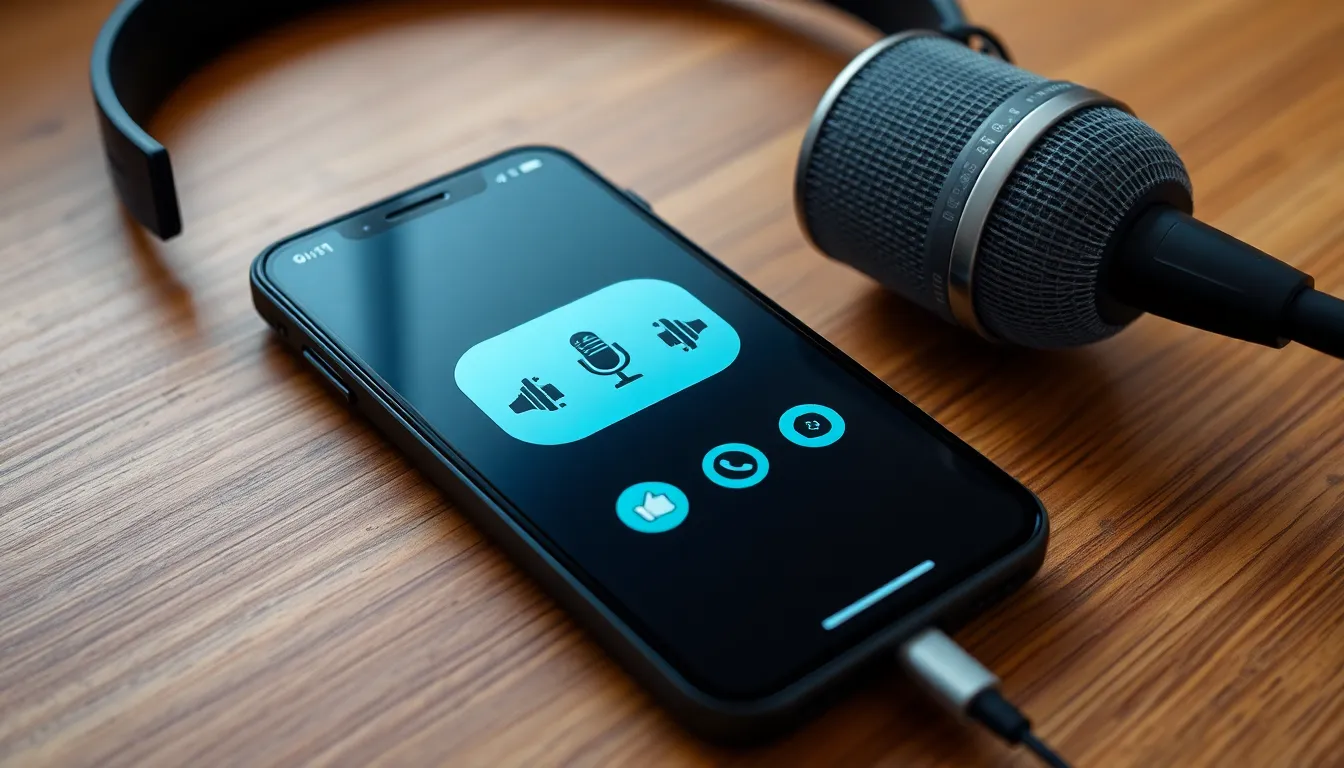
Audio recording features on iPhones encounter significant technical limitations influenced by both hardware requirements and software constraints.
Hardware Requirements
Older iPhone models often lack the necessary hardware components for advanced audio recording. Microphones designed for basic voice calls may not capture high-quality audio, limiting functionality. Devices like the iPhone 7 and newer generally include improved microphones that excel at picking up sound accurately. Some users may find that older models don’t support specific audio processing technologies, making features unavailable. Storage capacity also plays a role; weaker devices can face challenges when recording large audio files. Additionally, accessory compatibility varies based on hardware specifications, which can further restrict audio options.
Software Constraints
Software limitations contribute significantly to missing audio recording capabilities. Certain iPhone models run older versions of iOS, which might not support new audio recording apps or features. Permissions settings can block apps from accessing the microphone, causing frustration for users. Background App Refresh settings can also inhibit audio recording functionalities when apps are not actively running. Prioritizing software updates helps enhance audio capabilities and ensures compatibility with newer applications. The interplay between user consent and software design directly affects the availability of recording features.
User Accessibility Issues
User accessibility issues significantly affect audio recording on iPhones. Several factors come into play, particularly regarding permissions and settings.
App Permissions
App permissions control access to essential features on an iPhone. Users often find that third-party audio recording apps require microphone access. Without granting these permissions, recording capabilities remain disabled. Additionally, system-wide settings may prevent certain apps from functioning properly. Users may be unaware that they need to enable microphone access in their privacy settings. Frustration arises when attempts to use audio recording features yield no success due to permission restrictions.
System Settings
System settings play a critical role in audio capability. Background App Refresh settings may limit the functionality of apps that rely on audio recording. If this feature is disabled, apps might not perform optimally. Additionally, users face challenges if they do not have enough storage space, which can hinder recordings. Checking and adjusting these settings ensures that devices function as expected. Users often overlook these system preferences, leading to confusion and unmet expectations regarding audio recording features.
Alternatives to Inbuilt Recording
Audio recording options do exist for iPhone users who encounter limitations with inbuilt features. Two main avenues provide solutions: third-party applications and alternative devices.
Third-Party Applications
Many users seek third-party applications to enhance their audio recording capabilities. Popular apps like GarageBand, Voice Memos, and Audacity offer robust functionalities for capturing sound. Some applications support higher quality recordings or unique editing features, addressing various user needs. Users can easily download these tools from the App Store, providing more flexibility in their audio recording efforts. An app’s user-friendly interface can make recording quick and uncomplicated, especially for those familiar with mobile technology. Different apps cater to varied preferences, ensuring that most users find a suitable option for their recording requirements.
Utilizing Other Devices
Utilizing other devices often serves as a practical workaround for missing audio features on iPhones. Many people turn to digital voice recorders or laptops that provide superior audio capture capabilities. These dedicated devices typically come equipped with advanced microphones and enhanced recording settings, ensuring high-quality results. Connecting an external microphone to the iPhone can also improve audio quality while recording. Additionally, users can use home assistants like Google Home or Amazon Echo for voice memos, expanding their options. Exploring these alternatives can lead to satisfactory audio recording experiences, especially for professional or personal projects.
The absence of audio recording features on certain iPhone models can be frustrating for users eager to capture their experiences. Technical limitations and privacy concerns contribute significantly to this issue. Users often find that older models lack the necessary hardware and software support for advanced audio capabilities.
Understanding the impact of device settings and permissions is essential for optimizing audio recording experiences. By exploring third-party applications and alternative devices, users can still achieve satisfactory audio capture. With the right tools and knowledge, capturing memories on an iPhone can remain an enjoyable experience despite the limitations.